
Shared datacenter proxies offer a cost-effective way to access high-speed IPs for web scraping, price monitoring, and automation tasks without the premium price tag of dedicated options. When multiple users share the same IP pool, costs drop significantly while maintaining solid performance for most data collection needs. If you’re looking for an affordable shared datacenter proxy service that balances speed with budget constraints, understanding the differences between providers helps you pick the right fit for your scraping projects. Discover the Best Shared Datacenter Proxies in 2026
If you’re looking for an affordable shared datacenter proxy service that balances speed with budget constraints, understanding the differences between providers helps you pick the right fit for your scraping projects.
- What Are Shared Datacenter Proxies (And When They Make Sense)
- Choosing Quality Shared Datacenter Proxies on a Budget
- Top 10 Best Shared Datacenter Proxies in 2026
- Shared vs Dedicated Datacenter Proxies: Cost-Benefit Analysis
- How to Maximize Value from Shared Datacenter Proxies
- Common Issues with Shared Proxies (And How to Avoid Them)
- When to Upgrade from Shared to Dedicated Datacenter Proxies
- FAQ
What Are Shared Datacenter Proxies (And When They Make Sense)
Shared datacenter proxies are IP addresses hosted in data centers that multiple users access simultaneously. Unlike dedicated proxies, where you’re the sole user of an IP, shared proxies distribute costs across many customers, making them one of the most budget-friendly proxy options available.
The cost-sharing model works because datacenter facilities maintain large IP pools that handle traffic from dozens or hundreds of users at once. You pay a fraction of what dedicated IPs would cost, typically just a few cents per IP compared to dollars for exclusive access. This setup keeps bandwidth costs low while still providing fast connection speeds from datacenter infrastructure.
When Shared Datacenter Proxies Work Best
Shared proxies excel for tasks that don’t require pristine IP reputation or account-level security:
- Basic web scraping of public data
- SEO monitoring and rank tracking
- Price comparison and market research
- Ad verification on less strict platforms
- Testing and development work
Most providers limit concurrent users per IP to prevent severe slowdowns, usually capping usage between 3-10 simultaneous connections per address. This keeps performance acceptable for routine scraping without the overhead of dedicated infrastructure.
When to Avoid Shared Options
Shared datacenter proxies aren’t suitable for every use case. Sites with aggressive anti-bot systems can detect datacenter IP ranges easily, and shared pools face higher block rates since abuse from one user affects everyone. Account-sensitive tasks like social media management, e-commerce account management, or anything requiring long session persistence work better with residential proxies or dedicated proxies where IP reputation stays cleaner.
Choosing Quality Shared Datacenter Proxies on a Budget
Finding reliable shared datacenter proxies means balancing cost savings against performance factors that directly impact your scraping success rates.
IP pool size and refresh rates matter because larger pools spread usage across more addresses, reducing the chance that your assigned IPs are already flagged. Providers who rotate their pools regularly or offer on-demand IP refreshes help you avoid burned addresses that previous users may have abused.
Location coverage determines where you can appear to browse from. While you might not need 195 countries for basic tasks, having options in your target regions (US, EU, Asia) gives flexibility for geo-specific scraping without upgrading to more expensive
Speed and Connection Policies
Speed specifications like 1 Gbps bandwidth sound impressive but mean little if providers throttle shared users during peak times. Check for concurrent connection limits in your plan since shared options often cap simultaneous threads between 50-500 depending on your tier. Higher concurrency lets you scrape faster but costs more.
IP reputation monitoring separates good shared proxy providers from problematic ones. Quality services actively track abuse, remove bad actors, and cycle out flagged IPs to maintain pool health. Ask whether providers implement automatic rotation, offer clean IP guarantees, or compensate for non-working addresses.
Authentication and Rotation Options
- Username/password authentication (easier setup)
- IP whitelisting (more secure for fixed locations)
- Sticky sessions for maintaining the same IP across requests
- Rotating options that switch IPs per request or on intervals
Uptime guarantees of 99%+ indicate reliable infrastructure, though shared pools naturally see more variability than dedicated options. Support quality becomes critical when troubleshooting connection issues or requesting IP replacements.
Watch for pricing transparency around bandwidth overage charges, IP refresh fees, and whether “unlimited” bandwidth claims include fair-use policies that throttle heavy users. The cheapest per-IP price often hides restrictions that make effective scraping more expensive than mid-tier plans with clear limits.
Top 10 Best Shared Datacenter Proxies in 2026
1. 🏆ResiProx – Best Shared Datacenter Proxies in 2026 🏆
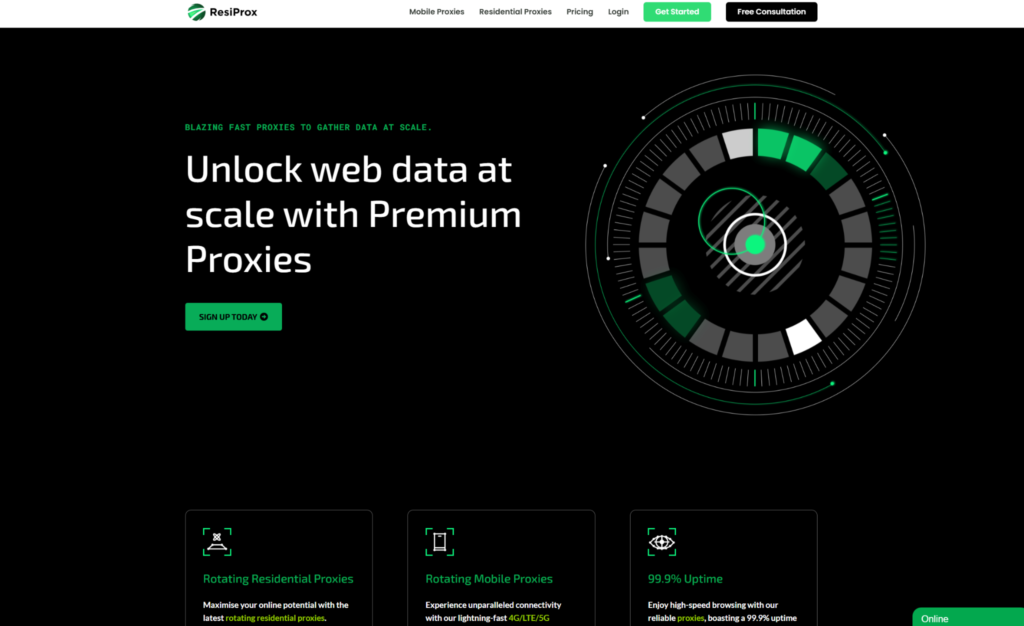
Resiprox Premium Proxies – Unlock the Web with Power and Precision
Introducing Resiprox, the ultimate proxy solution designed to supercharge your online operations. With our Residential Proxies and Mobile Proxies, you get unmatched access to web data at scale, robust security, and seamless connectivity all backed by a free trial to experience the difference firsthand.
Product Features
- Rotating Residential Proxies: Harness the power of 10M+ ethically-sourced IPs across 180+ countries. These proxies rotate dynamically to bypass IP blocks, CAPTCHAs and delivering 99.9% uptime and precise targeting at the country, city, or ZIP code level.
- Rotating Mobile Proxies: Powered by 4G/LTE/5G networks, our mobile proxies offer lightning-fast speeds with <0.3s response times and a 99.9% success rate perfect for real-time applications.
- Global IP Network: Tap into millions of IPs, including 3.5M+ in the US, 1.8M+ in Brazil, 3.1M+ in India, and more, ensuring coverage wherever you need it.
- Advanced Capabilities: Enjoy HTTPS & SOCKS5 support, unlimited concurrent sessions, and flexible rotating or sticky sessions, all wrapped in premium IP quality.
Product Specifications:
- Performance: High-speed browsing with 99.9% uptime and 24/7 expert support.
- Integration: Seamlessly works with Node.js, Python, PHP, Selenium, and more, featuring a dynamic endpoint generator and robust API access.
What It’s Built For:
Resiprox proxies are your all-in-one tool for:
- Web Scraping: Extract public data effortlessly for insights and growth.
- Price Monitoring: Track prices across regions in real-time.
- Multi-Accounting: Manage multiple accounts without limits.
- SEO & Ad Verification: Monitor rankings and verify ads globally.
- Cybersecurity: Protect your brand and test applications securely.
- Specialized Tasks: From sneaker botting to travel fare aggregation, Resiprox delivers.
Why Resiprox Stands Out:
This isn’t just a proxy, it’s a game-changer. With comprehensive documentation, multi-platform compatibility, and a team of experts available 24/7, Resiprox ensures your projects run smoothly. Whether you’re a business scaling operations, a researcher gathering data, or a developer testing apps, our proxies adapt to your needs with precision and reliability.
Resiprox Premium Proxies – Your Key to a Smarter, Faster, and More Connected Online World.
Click here to discover our :
2. Webshare
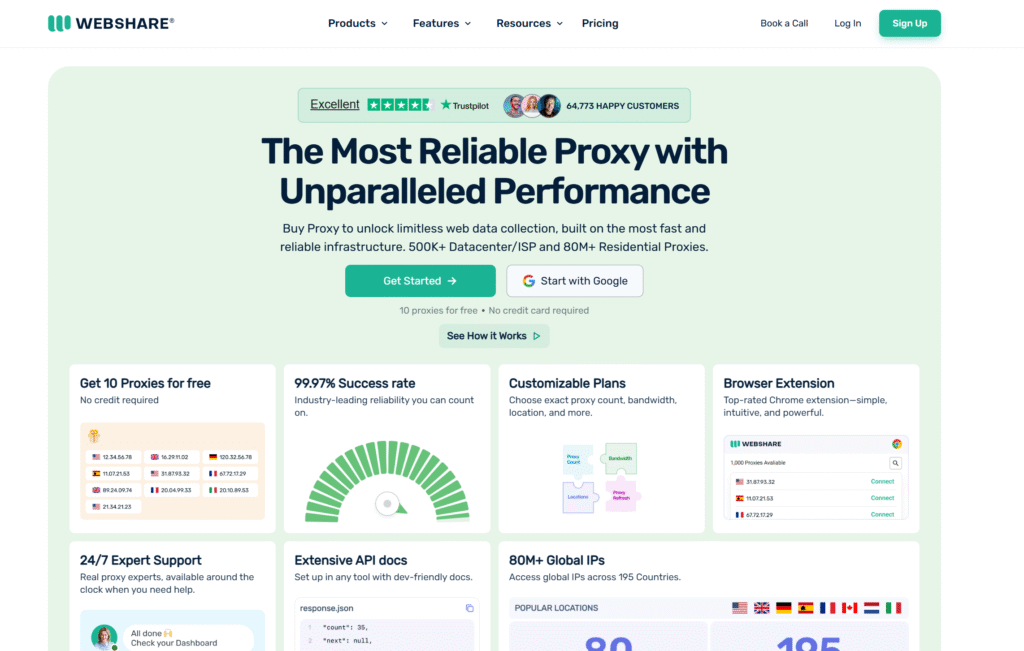
Webshare provides shared datacenter proxies with an entry-friendly free tier that includes 10 proxies and 1GB monthly bandwidth, making it popular for testing and small projects. The platform scales to high-speed performance with connections up to 1 Gbps, and flexible subscription options let you pay per IP starting around $0.03 each.
Key features:
- Free tier for beginners with 10 IPs and 500MB-1GB bandwidth
- Shared plans from $2.99/month for 100 proxies with 250GB bandwidth
- High speeds reaching 1 Gbps on premium tiers
- 97 global proxy locations across major markets
Pros:
- Best free option for entry-level users learning proxy basics
- Affordable pricing scales well from small to mid-sized projects
- Simple dashboard for managing IPs and tracking usage
Cons:
- Free tier IPs may have higher block rates due to wider public use
- Best suited for basic scraping rather than complex bot operations
3. Decodo (ex. Smartproxy)
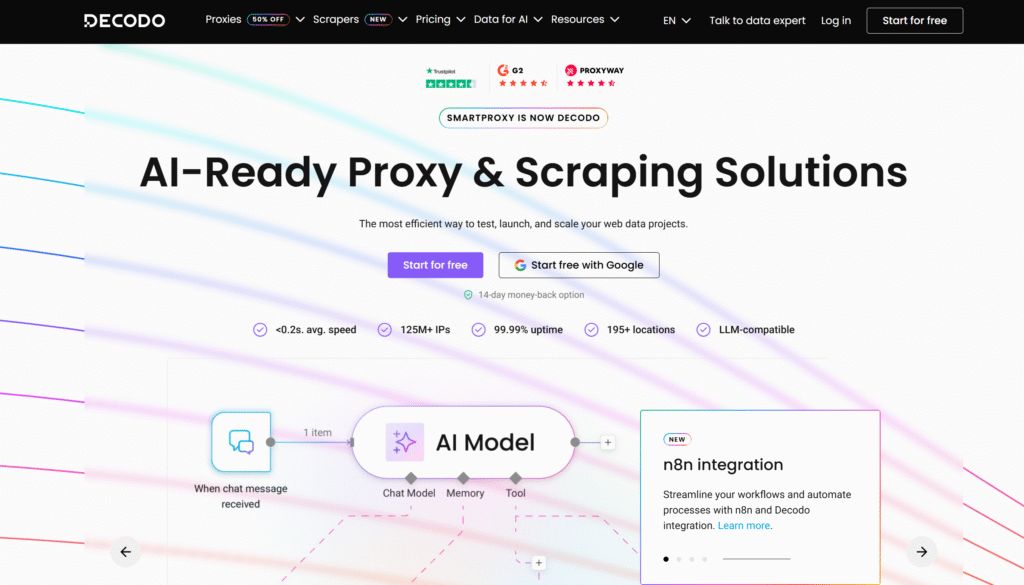
Decodo offers cost-effective shared datacenter proxies with strong web scraping capabilities and response times under 0.2 seconds. The platform provides city and ASN-level targeting alongside flexible rotation controls that adapt to different scraping patterns.
Key features:
- Large shared IP pool with regular refresh cycles
- City and ASN targeting for precise location control
- Pay-per-IP pricing starting from $0.026 per proxy
- HTTP and SOCKS5 protocol support
Pros:
- Fast response times make it efficient for time-sensitive scraping
- Affordable entry point for developers and mid-sized projects
- Free trial available to test performance before committing
Cons:
- Shared nature means occasional IP reputation issues on strict sites
4. Oxylabs
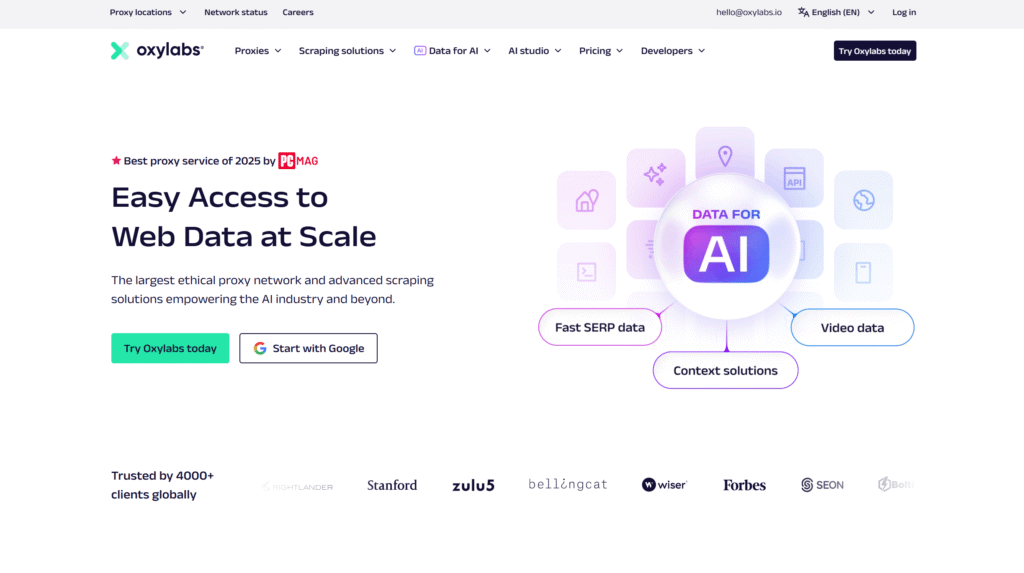
Oxylabs provides premium shared datacenter proxies designed for enterprise-scale operations. The network features access to datacenter IPs with sub-1-second response times and advanced integrations for major scraping frameworks and business intelligence tools.
Key features:
- Large datacenter IP pool spread across global locations
- Enterprise-grade API with detailed documentation
- Session control for sticky and rotating configurations
- Dedicated account managers for high-volume clients
Pros:
- Reliable infrastructure built for large-scale data extraction
- Advanced targeting and filtering options
- Strong support team with technical expertise
Cons:
- Premium pricing makes it less accessible for small budgets
- May include features that exceed needs of basic scraping projects
5. Bright Data
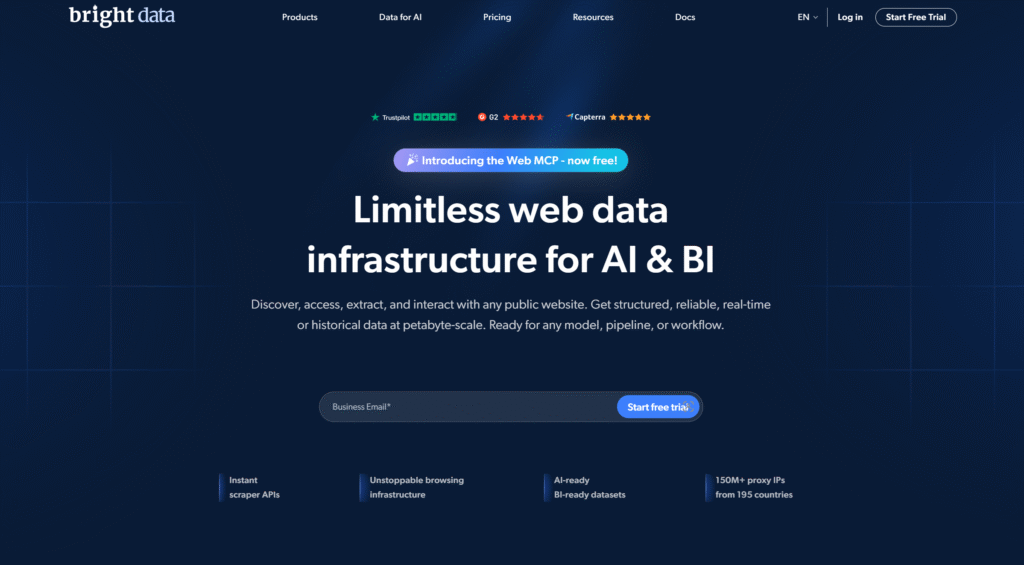
Bright Data operates a versatile shared datacenter proxy network spanning 98 countries. The platform offers unlimited concurrent connections on higher tiers, making it suitable for high-volume tasks like e-commerce monitoring and competitive intelligence gathering.
Key features:
- Extensive IP pool with regular rotation options
- Unlimited concurrency on select plans
- Advanced proxy management tools and APIs
- Integration with popular scraping and automation platforms
Pros:
- Massive geographic coverage for global scraping needs
- Robust infrastructure handles heavy traffic loads
- Comprehensive documentation and developer resources
Cons:
- Higher pricing tiers can be expensive for smaller operations
- Complex feature set may overwhelm users with simple needs
6. Rayobyte
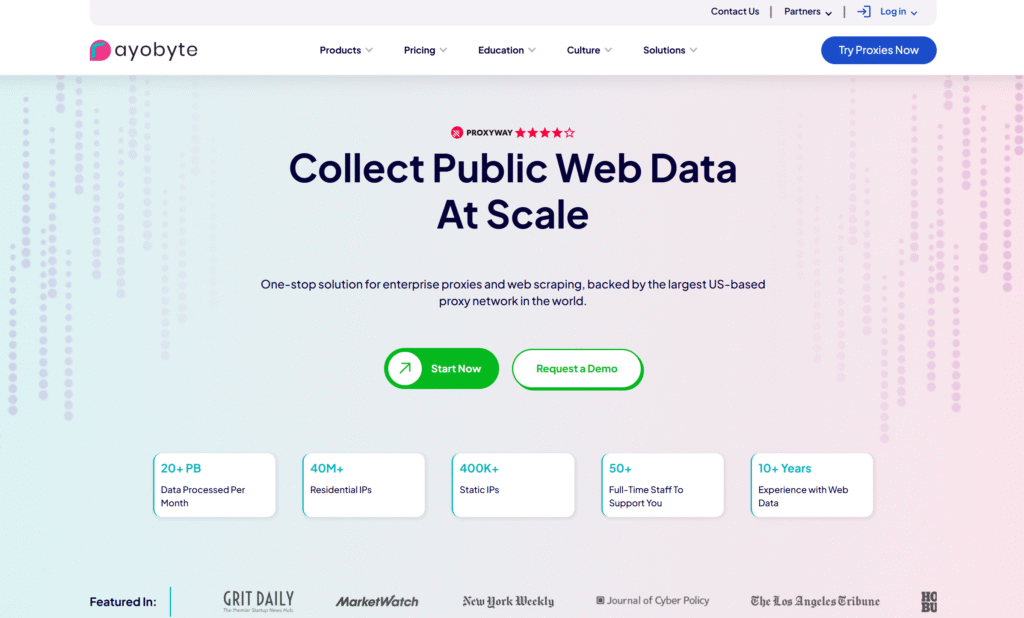
Rayobyte specializes in quality shared datacenter proxies with both rotating and static options. The service emphasizes ethical sourcing and focuses heavily on US-based networks, making it particularly effective for e-commerce and SERP scraping within North America.
Key features:
- US-focused IP pools with strong reputation management
- Both rotating and static shared proxy options
- Scalable plans from small to enterprise volumes
- Transparent pricing without hidden bandwidth fees
Pros:
- Clean IPs with good success rates on e-commerce sites
- Ethical sourcing practices maintain pool quality
- Responsive customer support for troubleshooting
Cons:
- Limited international coverage compared to global providers
- Better for US-centric scraping than worldwide projects
7. ProxyEmpire
ProxyEmpire delivers rotating shared datacenter proxies with global coverage across 170+ countries. The network maintains fast response times around 0.6 seconds and supports both HTTP and SOCKS5 protocols for flexible integration with scraping tools.
Key features:
- Wide geographic distribution for international scraping
- Rotating IPs with customizable session durations
- Straightforward API for automation
- Bandwidth packages scaled to usage needs
Pros:
- Broad country coverage handles diverse geo-targeting requirements
- Reliable uptime for consistent scraping operations
- Good balance of price and performance for mid-market users
Cons:
- Response times slightly slower than premium competitors
- May require occasional IP refreshes on heavily monitored sites
8. NetNut
NetNut provides stable shared datacenter proxies backed by a pool of IPs distributed worldwide. The service offers both rotating and static configurations with flexible bandwidth policies suited to different scraping intensities.
Key features:
- Global IP distribution across major data centers
- High uptime reliability for consistent operations
- Static and rotating proxy options in one service
- Scalable bandwidth from moderate to heavy usage
Pros:
- Stable connections minimize scraping interruptions
- Good reputation management keeps IPs functional
- Flexible plans accommodate growth
Cons:
- Mid-range pricing may not suit extremely tight budgets
- Better for steady traffic than sporadic heavy bursts
9. SOAX
SOAX operates high-performance shared datacenter proxies with advanced targeting capabilities. The network emphasizes clean IPs primarily in the US market, offering unlimited connections on upper-tier plans and strong success rates for scaling scraping operations
Key features:
- Focus on clean, less-abused datacenter IPs
- Unlimited concurrent connections on higher plans
- Geographic and carrier-level targeting
- User-friendly dashboard for proxy management
Pros:
- High success rates on sites with moderate anti-bot measures
- Unlimited connections support aggressive scraping schedules
- Strong US IP availability
Cons:
- International coverage lighter than global-focused competitors
- Premium features push pricing higher than basic shared options
10. Limeproxies
Limeproxies delivers fast shared datacenter proxies with speeds reaching 1 Gbps across 50+ global locations. The service includes on-demand IP refresh capabilities and maintains high uptime for scraping and price tracking applications.
Key features:
- High-speed connections up to 1 Gbps
- 50+ location options across continents
- On-demand IP replacement when addresses get flagged
- Multiple authentication methods
Pros:
- Fast speeds enable quick data collection cycles
- IP refresh feature extends usability of shared pools
- Reliable uptime minimizes downtime
Cons:
- Smaller location count than larger competitors
- Shared nature still limits effectiveness on anti-bot-heavy sites
Shared vs Dedicated Datacenter Proxies: Cost-Benefit Analysis
The primary trade-off between shared and dedicated datacenter proxies comes down to cost versus control. Shared proxies cost 60-90% less than dedicated alternatives, with typical pricing around $0.03-$0.50 per IP monthly compared to $2-$10 for dedicated IPs. This makes shared options attractive for projects where budget constraints outweigh the need for exclusive IP access.
Dedicated proxies give you sole control over IP reputation, making them suitable for account management, social media automation, and sites with strict bot detection. You never worry about another user’s activities getting your IPs flagged, and connection speeds remain consistent since traffic isn’t shared. However, the higher cost per IP limits how many addresses you can afford for large-scale operations.
Shared proxies work well when scraping public data from less aggressive sites. Price monitoring, SEO tracking, and market research often succeed with shared IPs since these tasks don’t require pristine reputation. The cost savings let you access thousands of IPs instead of hundreds, giving better rotation variety. The downside appears when sites implement strict rate limiting or IP-based blocking that affects all users of the shared pool.
When to Choose Each Type
Pick shared datacenter proxies for budget-conscious projects scraping less protected targets where occasional IP blocks are acceptable. Choose dedicated when IP reputation directly impacts success rates or when account-level operations require clean addresses. For many users, starting with shared proxies and upgrading specific high-value tasks to dedicated creates the best balance.
How to Maximize Value from Shared Datacenter Proxies
Getting the most from shared datacenter proxies requires smart usage patterns that work with their limitations rather than against them. Rotate IPs aggressively to avoid concentrating requests on single addresses that might already face scrutiny from other users. Most providers support per-request rotation or timed intervals; use these features to distribute load across the entire pool.
Monitor success rates closely and track which IPs or subnets face blocks. Quality shared proxy services let you report non-working IPs for replacement, but you need to identify problems quickly. Set up logging that captures connection failures, timeouts, and blocked responses so you can request fresh IPs before they impact project timelines.
Target during off-peak hours when fewer concurrent users stress the shared pool. Running scraping jobs during your region’s night hours often provides better speeds and lower block rates since total network load decreases. This strategy works especially well for non-time-sensitive data collection.
Technical Optimization Tips
- Implement random delays between requests (2-5 seconds) to appear more human
- Use session persistence for multi-page scraping to maintain consistency
- Set appropriate timeout values (10-15 seconds) to avoid hanging on slow IPs
- Enable automatic retry logic with IP rotation after failures
- Keep user agents and headers varied to reduce fingerprinting
Test before scaling your operation. Run small batches with new shared proxy providers to verify success rates on your target sites before committing to larger purchases. Different providers maintain different quality levels, and what works for one site might fail on another.
Common Issues with Shared Proxies (And How to Avoid Them)
IP blocks from previous user abuse represent the most frequent shared proxy problem. When one user sends too many aggressive requests or scrapes restricted content, sites often blacklist the entire IP. You inherit this reputation when assigned the same address later. Mitigate this by choosing providers who actively monitor abuse, rotate their pools frequently, and offer instant IP replacement when addresses stop working.
Inconsistent speeds during peak usage occur because shared proxies distribute bandwidth across multiple simultaneous users. Your scraping speeds might drop from 50 requests per second to 10 when other customers run heavy operations. Select providers offering bandwidth guarantees or “fair use” policies that prevent single users from monopolizing resources. Consider upgrading to higher tiers with fewer users per IP if speed consistency matters for your timeline.
Connection limits frustrate users who need high concurrency. Shared proxies typically cap simultaneous connections between 50-500 depending on your subscription level. Running 1000 parallel threads through a 100-connection limit causes timeout errors and failed requests. Match your concurrency needs to plan limits or split operations across multiple proxy providers to increase total available connections.
Prevention Strategies
Verify IP freshness by asking providers about their rotation schedules and how they handle flagged addresses. Services that refresh shared pools weekly maintain better reputation than those keeping IPs in rotation indefinitely.
Choose providers with anti-abuse monitoring who remove bad actors quickly. This protects pool quality and reduces the chance you’ll get stuck with burned IPs.
Maintain backup providers so IP issues with one service don’t halt operations entirely. Switching between two or three shared proxy providers spreads risk and gives alternatives when specific IPs face blocks.
Watch for hidden throttling where advertised “unlimited bandwidth” actually includes fair-use policies that slow heavy users. Read terms carefully and test actual throughput before committing to long contracts.
When to Upgrade from Shared to Dedicated Datacenter Proxies
Certain signs indicate your operation has outgrown shared datacenter proxies and needs the control of dedicated IPs. Frequent IP blocks that disrupt scraping schedules signal that shared reputation issues impact your success rates. If you’re replacing non-working IPs daily or experiencing success rates below 70%, the time spent managing problems likely exceeds the cost savings of shared pools.
Account-based operations like social media management, e-commerce account maintenance, or any task requiring login sessions should never use shared proxies. These activities need consistent IP reputation that only dedicated addresses provide. Sites track login patterns, and shared IPs showing activity across hundreds of different accounts trigger security flags immediately.
Scaling to high volumes where you need thousands of concurrent connections often makes dedicated proxies more cost-effective. While individual dedicated IPs cost more, they support higher request rates per IP. You might need 10,000 shared IPs to match the throughput of 1,000 dedicated ones, eliminating the price advantage.
Hybrid Approaches
Many successful operations use both proxy types strategically. Dedicated proxies handle sensitive account work and high-value scraping targets while shared proxies collect bulk public data from less protected sites. This hybrid model optimizes costs by matching each task to the appropriate proxy type.
Consider residential proxies or ISP proxies instead of dedicated datacenter IPs if your primary issue is IP reputation rather than resource sharing. Residential IPs come from real devices and face far less blocking, though they cost more and run slower than datacenter options.
FAQ
What are shared datacenter proxies and how do they work in 2026?
Shared datacenter proxies are IP addresses hosted in data centers that multiple users access simultaneously to reduce costs. The provider maintains a pool of IPs that routes traffic from many customers through the same addresses, distributing infrastructure expenses across all users. This makes them significantly cheaper than dedicated options while still offering fast datacenter speeds. In 2026, most shared services implement user limits per IP and bandwidth allocation to maintain performance, typically supporting 3-10 concurrent users per address with rotation options.
Are shared datacenter proxies reliable for web scraping?
Shared datacenter proxies work reliably for basic web scraping of public data, SEO monitoring, and price tracking. Their datacenter speeds make data collection fast, and the low cost lets you access large IP pools for rotation. However, reliability depends heavily on provider quality and target site strictness. Sites with aggressive anti-bot systems detect and block datacenter IPs easily, and shared pools face higher block rates since abuse from one user affects everyone. Success rates typically range from 60-85% on moderately protected sites, lower than residential proxies but acceptable for many use cases.
Should I choose shared or dedicated datacenter proxies?
Choose shared datacenter proxies when budget constraints are your primary concern and you’re scraping less protected sites where occasional IP blocks are acceptable. Shared options cost 60-90% less than dedicated alternatives and work well for price monitoring, SEO tracking, and public data collection. Switch to dedicated proxies when your tasks require consistent IP reputation, like account management or social media automation, or when shared pool block rates hurt your success metrics. Many users start with shared proxies for bulk operations and upgrade specific high-value tasks to dedicated for optimal cost-performance balance.
How do shared datacenter proxies compare to residential proxies for budget projects?
Shared datacenter proxies cost significantly less than residential proxies and offer faster speeds, making them better for budget projects focused on speed and volume. You can get thousands of datacenter IPs for the price of a few hundred residential addresses. However, residential proxies deliver much higher success rates on protected sites since they come from real devices that sites trust more. For budget projects scraping less aggressive targets where datacenter detection isn’t critical, shared datacenter proxies provide the best value. If target sites actively block datacenter ranges, residential proxies justify their higher cost through better success rates.
Ready to start scraping smarter without breaking your budget? Explore ResiProx’s cost-effective shared datacenter proxies and get fast, reliable access to 180+ countries with 24/7 support.