

The best cheap rotating datacenter proxies can save time, lower friction, and help you scale scraping, automation, and monitoring without paying for features you may never use. If you are comparing cheap rotating proxies, best datacenter proxies, or rotating datacenter proxy services, start with proxy solutions that fit your workflow and budget. Discover the Best Cheap Rotating Datacenter Proxies in 2026
Explore reliable residential proxies at ResiProx to power your business tasks.
- What to Look For in Cheap Rotating Datacenter Proxies in 2026
- How Rotating Datacenter Proxies Work
- Top 11 Best Cheap Rotating Datacenter Proxies in 2026
- What to Expect From Cheap Rotating Datacenter Proxies
- Rotating Datacenter Proxies vs Residential Proxies
- How to Compare Datacenter Proxy Networks Without Overpaying
- FAQ
What to Look For in Cheap Rotating Datacenter Proxies in 2026
Cheap does not always mean weak. A good provider should give you clean rotation, stable uptime, simple setup, and enough control to match your jobs. For a quick primer, see What Are Datacenter Proxies and What Are Data Center Rotating Proxies.
Look for these features:
- Fast IP rotation for request-based scraping, price tracking, and bulk checks.
- Sticky sessions when you need the same IP for logins, carts, or multi-step tasks.
- Clear geo filters for country or city targeting when location matters.
- Simple auth methods, dashboard controls, and API access for teams that automate.
- Stable connections that do not drop under load.
- Good documentation so setup does not slow your team down.
A low-cost plan works better when the network is built for your use case. If your jobs need longer sessions, read What Are Rotating Proxies and Rotating Proxies vs Dedicated Proxies before you pick a provider.
How Rotating Datacenter Proxies Work
Rotating datacenter proxies route your traffic through proxy IPs that change on a set rule. Many services let you rotate on every request or keep a sticky session for a period of time, which is why session controls matter when you compare plans.
Here is the basic process:
- You send a request through a proxy endpoint.
- The provider assigns an IP from its datacenter pool.
- The IP changes by request, by timer, or when you create a new session.
- The target site sees the proxy IP instead of your own IP.
This setup is often used for speed-focused jobs where cost and volume matter more than looking like a home user. For more background, read What Are Shared Proxies, What Are Dedicated Proxies, and What Are Private Proxies.
Top 11 Best Cheap Rotating Datacenter Proxies in 2026
1. 🏆ResiProx – Best Cheap Rotating Datacenter Proxies in 2026 🏆
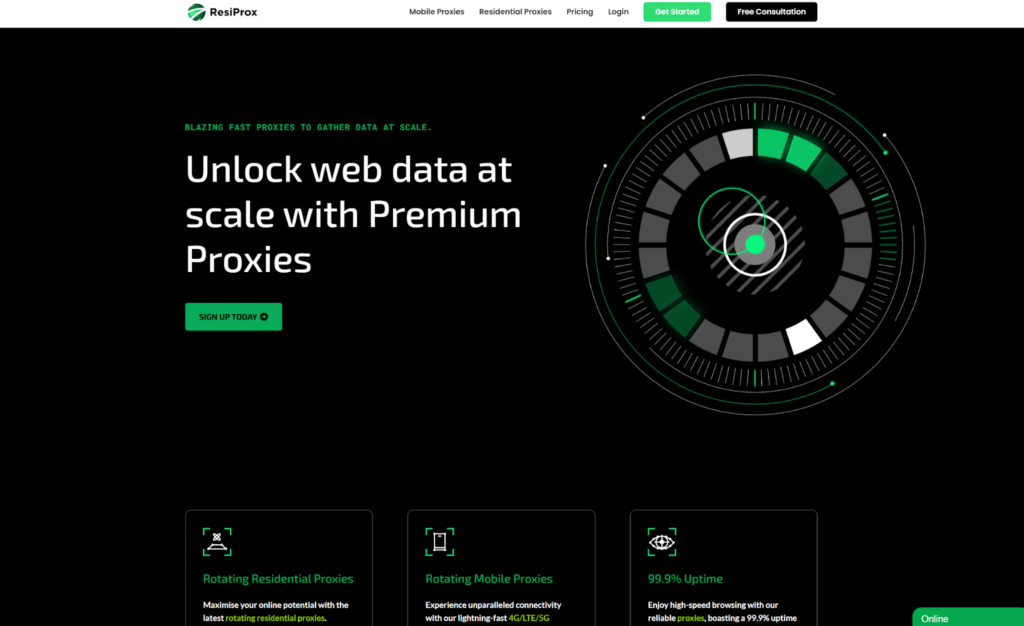
Resiprox Premium Proxies – Unlock the Web with Power and Precision
Introducing Resiprox, the ultimate proxy solution designed to supercharge your online operations. With our Residential Proxies and Mobile Proxies, you get unmatched access to web data at scale, robust security, and seamless connectivity all backed by a free trial to experience the difference firsthand.
Product Features
- Rotating Residential Proxies: Harness the power of 10M+ ethically-sourced IPs across 180+ countries. These proxies rotate dynamically to bypass IP blocks, CAPTCHAs and delivering 99.9% uptime and precise targeting at the country, city, or ZIP code level.
- Rotating Mobile Proxies: Powered by 4G/LTE/5G networks, our mobile proxies offer lightning-fast speeds with <0.3s response times and a 99.9% success rate perfect for real-time applications.
- Global IP Network: Tap into millions of IPs, including 3.5M+ in the US, 1.8M+ in Brazil, 3.1M+ in India, and more, ensuring coverage wherever you need it.
- Advanced Capabilities: Enjoy HTTPS & SOCKS5 support, unlimited concurrent sessions, and flexible rotating or sticky sessions, all wrapped in premium IP quality.
Product Specifications:
- Performance: High-speed browsing with 99.9% uptime and 24/7 expert support.
- Integration: Seamlessly works with Node.js, Python, PHP, Selenium, and more, featuring a dynamic endpoint generator and robust API access.
What It’s Built For:
Resiprox proxies are your all-in-one tool for:
- Web Scraping: Extract public data effortlessly for insights and growth.
- Price Monitoring: Track prices across regions in real-time.
- Multi-Accounting: Manage multiple accounts without limits.
- SEO & Ad Verification: Monitor rankings and verify ads globally.
- Cybersecurity: Protect your brand and test applications securely.
- Specialized Tasks: From sneaker botting to travel fare aggregation, Resiprox delivers.
Why Resiprox Stands Out:
This isn’t just a proxy, it’s a game-changer. With comprehensive documentation, multi-platform compatibility, and a team of experts available 24/7, Resiprox ensures your projects run smoothly. Whether you’re a business scaling operations, a researcher gathering data, or a developer testing apps, our proxies adapt to your needs with precision and reliability.
Resiprox Premium Proxies – Your Key to a Smarter, Faster, and More Connected Online World.
Click here to discover our :
2. Decodo
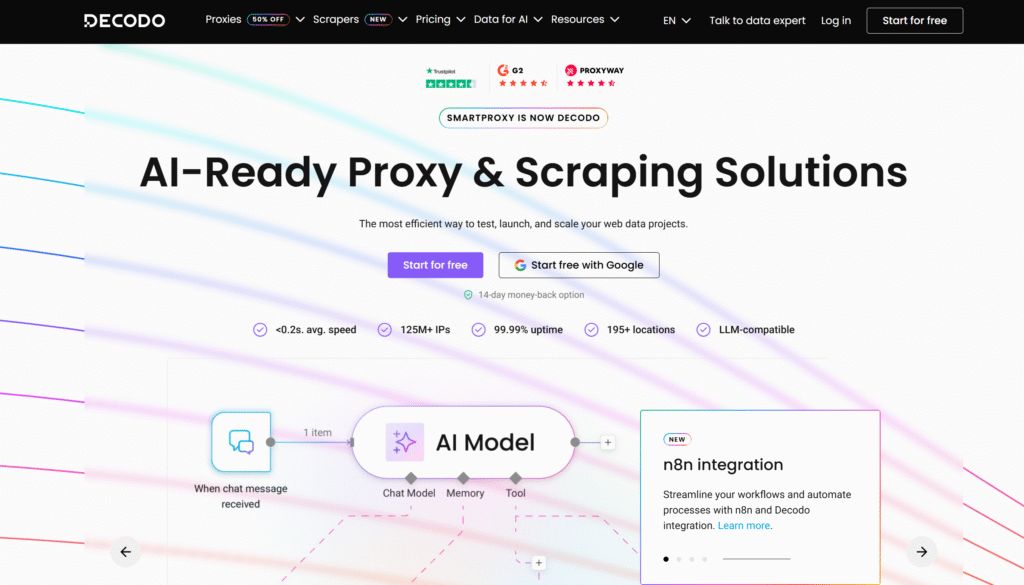
Decodo, formerly Smartproxy, is one of the better-known value picks in rotating proxy comparisons. Recent 2026 reviews frame it as a strong balance of price, features, and ease of use, with rotating datacenter support, API access, sticky sessions, and documentation that works well for scraping and automation teams.
- Key features — Rotating datacenter access, sticky session options, API tools, documentation, and support for high request volume.
- Pros — Strong value, simple onboarding, and a well-rounded feature set for everyday proxy work.
- Light cons — Its datacenter offer may be more limited by region than some larger proxy networks.
3. Oxylabs
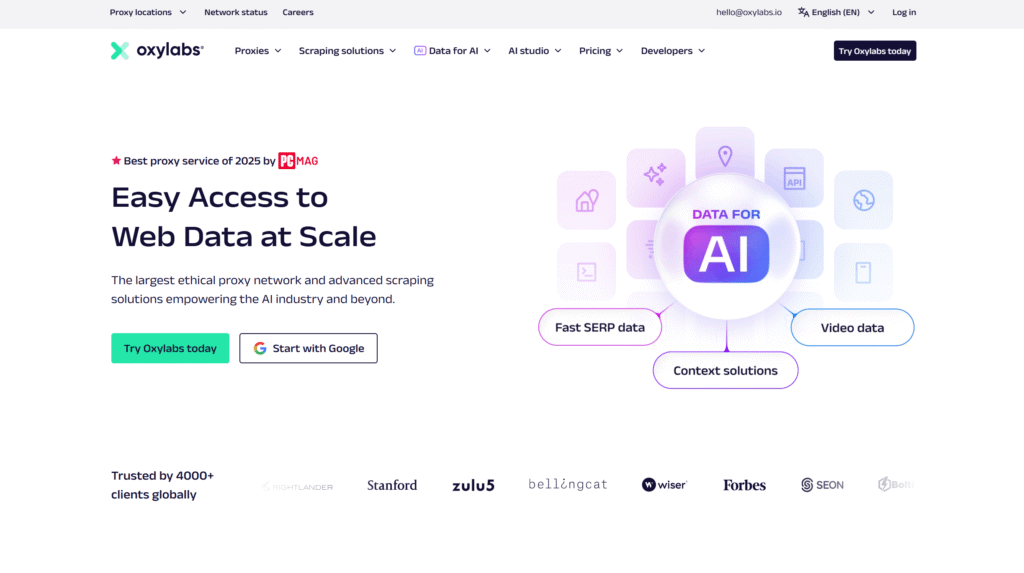
Oxylabs is often grouped with premium and enterprise proxy vendors, and that gives it a clear place on this list for buyers who want scale first. It is known for large infrastructure, stable rotation, and a setup that works well for bigger data jobs, research teams, and long-running scraping projects.
- Key features — Rotating proxy support, large-scale network design, enterprise workflow fit, and tools built for heavy data collection.
- Pros — Strong for scale, stable performance, and bigger teams that need room to grow.
- Light cons — Stronger for enterprise workloads than casual users.
4. NetNut
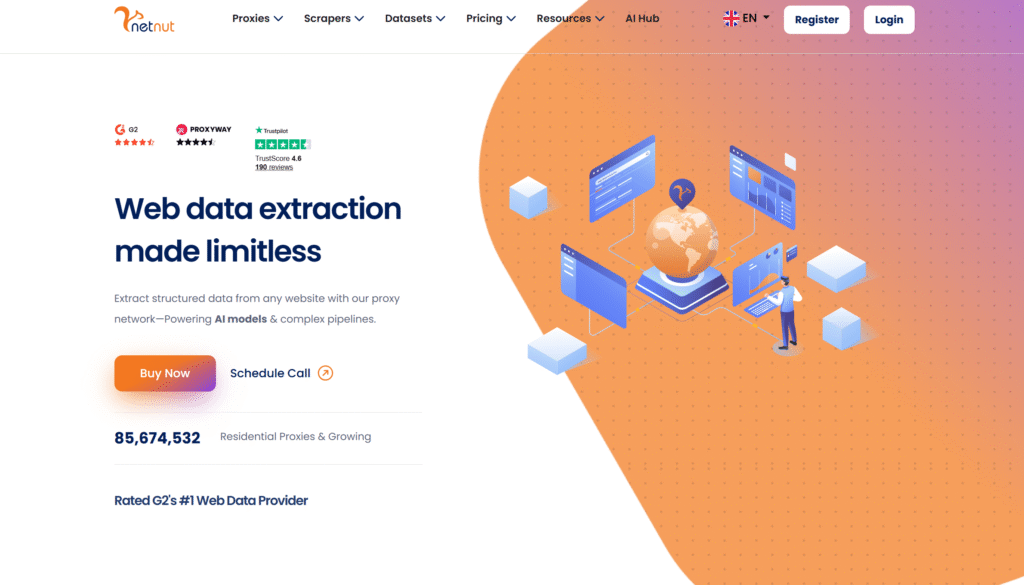
NetNut is usually mentioned for speed-focused proxy infrastructure and stable performance. It is a good match for users who care about throughput, dependable sessions, and a network that can keep up with high-volume scraping or monitoring jobs.
- Key features — Rotation support, speed-focused network design, session handling, and fit for large scraping workloads.
- Pros — Good speed profile, stable connections, and solid use-case coverage for heavy tasks.
- Light cons — May fit teams with ongoing proxy workloads more than one-off users.
5. SOAX
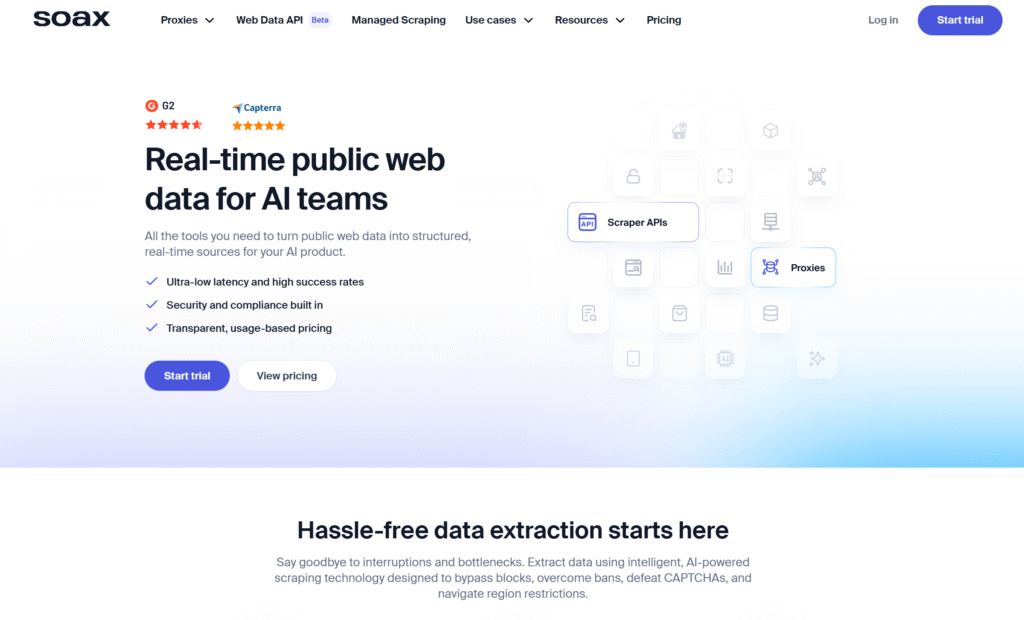
SOAX is known for flexible controls and broad targeting options, which makes it useful for buyers who want more say over how their proxy traffic behaves. It is often picked by users who care about session control, geo targeting, and matching proxy setup to specific scraping or testing jobs.
- Key features — Flexible rotation controls, geo targeting, broad proxy coverage, and session options for tailored workflows.
- Pros — Good control, strong targeting tools, and a setup that works well for mixed use cases.
- Light cons — The extra controls may feel like more setup for beginners.
6. Bright Data
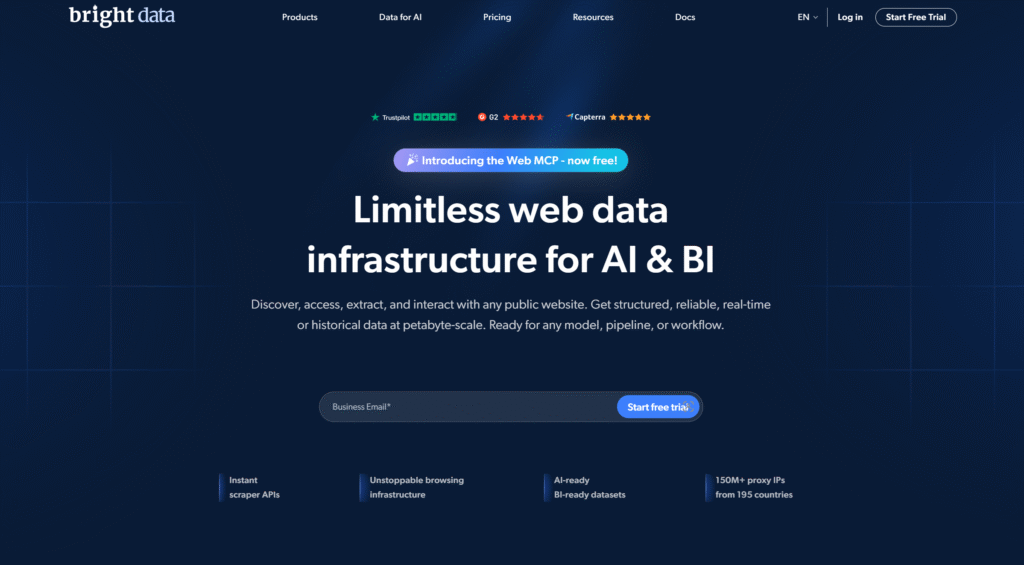
Bright Data is one of the most established names in the proxy market, and it is usually treated as a feature-rich option with wide coverage and advanced targeting. Its rotating proxy offer is built for users who need depth, tooling, and large-scale task support more than the bare minimum.
- Key features — Rotating datacenter options, advanced targeting, broad coverage, and fit for enterprise scraping and data operations.
- Pros — Deep feature set, strong targeting controls, and a mature platform for serious workloads.
- Light cons — Focuses more on scale and tooling than beginner simplicity.
7. IPRoyal
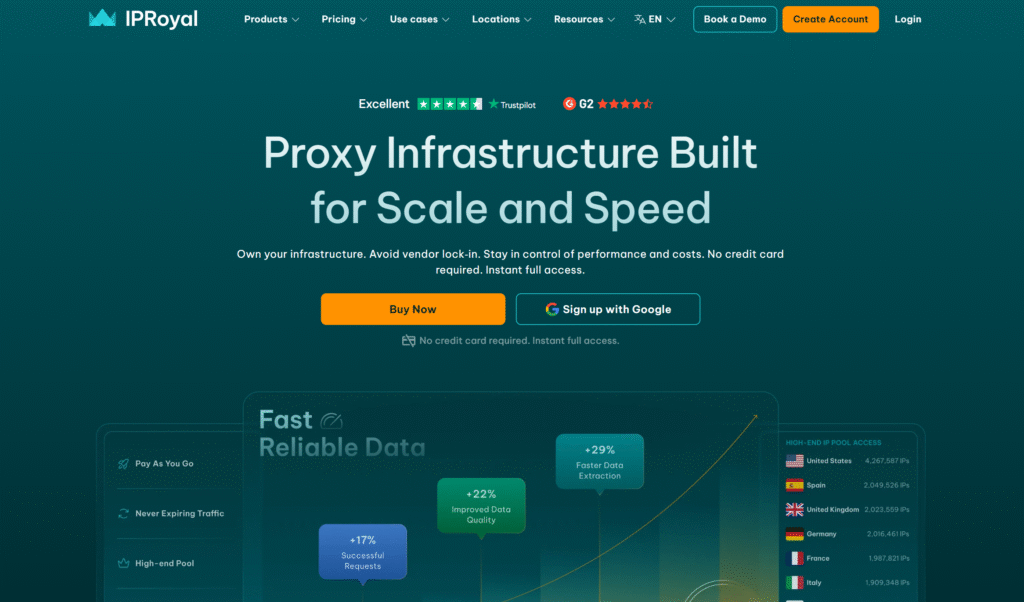
IPRoyal is often seen as a more budget-friendly proxy brand with broad proxy-type coverage. It appeals to users who want flexible usage, location choices, and a lower-cost way to run smaller scraping, automation, or account-based tasks without moving into premium enterprise plans.
- Key features — Broad proxy-type coverage, geo targeting, flexible usage, and fit for scraping, automation, and account work.
- Pros — Budget appeal, simple entry point, and useful coverage across common proxy needs.
- Light cons — Buyers with very large workloads may want a platform built more around scale.
8. Infatica
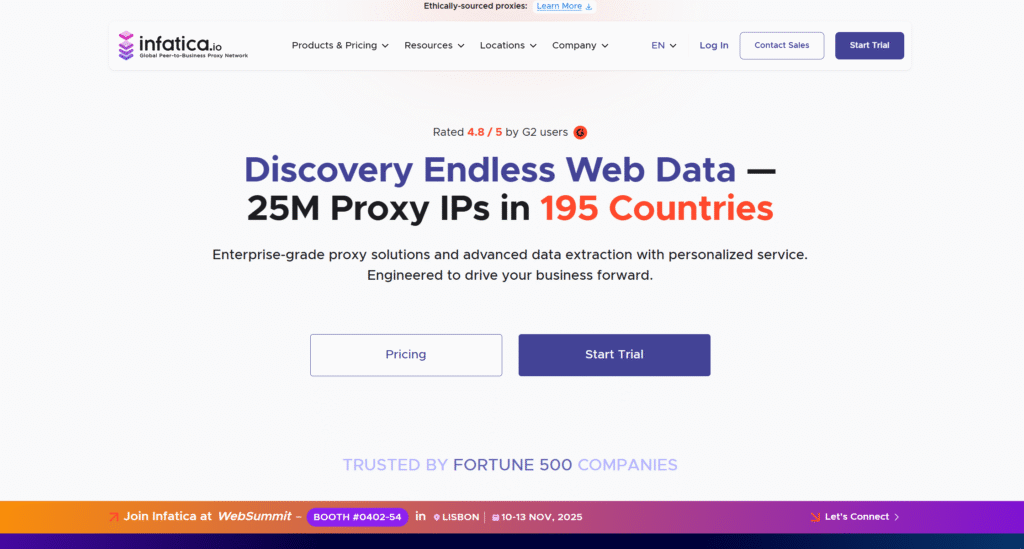
Infatica is commonly listed among global proxy providers with flexible plans and broad use-case coverage. It is a practical option for teams that want rotating proxy access for scraping, market checks, and automation without going straight to the most enterprise-led platforms.
- Key features — Rotating proxy coverage, global reach, flexible plans, and support for varied online data tasks.
- Pros — Good mix of flexibility and broad task support.
- Light cons — Some buyers may want more advanced controls if they run very custom workflows.
9. Rayobyte
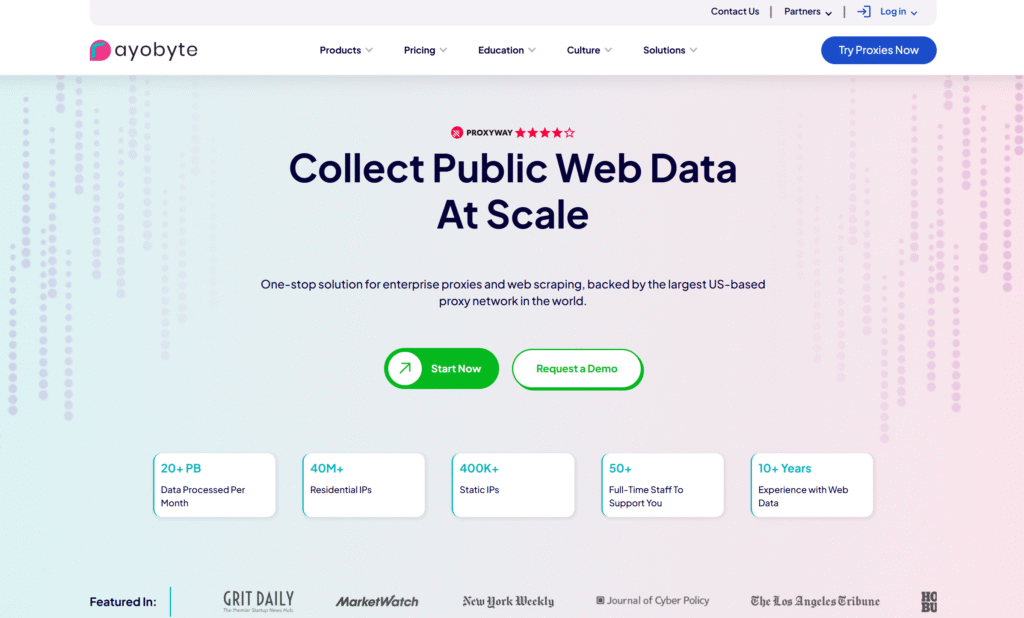
Rayobyte is usually viewed as an infrastructure-first proxy platform with a strong focus on reliability. It makes sense for buyers who want a provider built around stable access, business use cases, and a straightforward path to scaling proxy workloads over time.
- Key features — Infrastructure-led setup, rotating proxy availability, business workflow fit, and support for larger jobs.
- Pros — Reliable network approach, clear business use case fit, and solid room for growth.
- Light cons — May feel more utility-focused than polished for casual users.
10. Proxy-Cheap

Proxy-Cheap is known for budget-friendly proxy options, which makes it easy to see why it shows up on cheap proxy lists. It is often picked by users who want rotating and dedicated options at a lower entry point, especially for lightweight scraping, automation, and routine browsing tasks.
- Key features — Budget-friendly proxy options, rotating and dedicated choices, and broad fit for common online tasks.
- Pros — Low-cost entry, simple appeal for smaller projects, and good value for budget shoppers.
- Light cons — Buyers with heavier workloads may want a provider built more around scale and controls.
11. PROXIES.SX
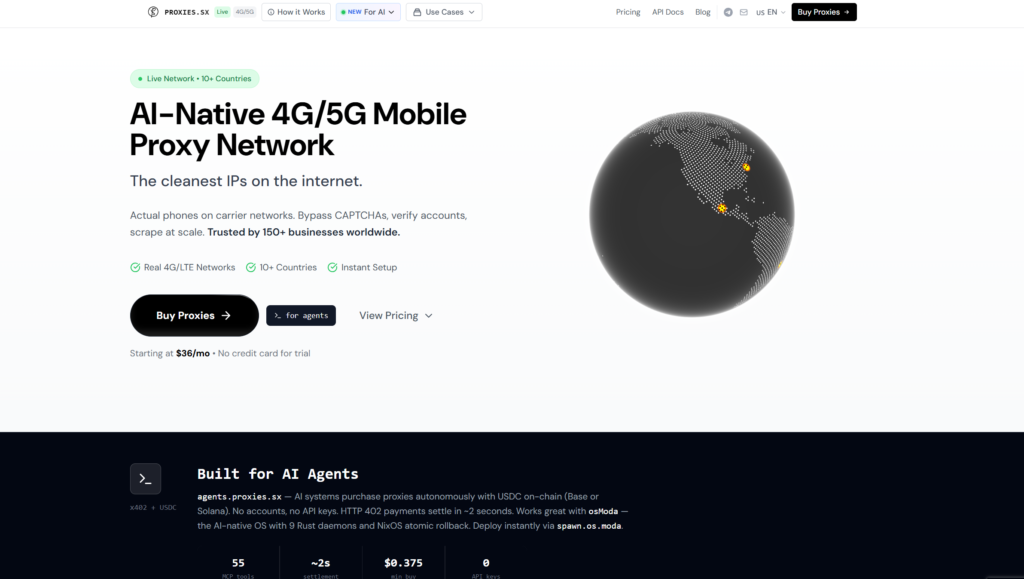
PROXIES.SX is often framed as a value pick for buyers who want real-device style proxy infrastructure and a budget-friendly angle. While some users may know it more for mobile-focused setups, it can still enter the shortlist for shoppers comparing low-cost rotating proxy services across different task types.
- Key features — Real-device style infrastructure, rotating access, budget positioning, and fit for scraping and account workflows.
- Pros — Good value angle, practical use-case coverage, and a setup that appeals to cost-aware buyers.
- Light cons — May appeal more to users who also compare mobile-style proxy setups, not just pure datacenter offers.
What to Expect From Cheap Rotating Datacenter Proxies
Cheap rotating datacenter proxies can still work well when your jobs are speed-focused and repeatable. They are often a good match for public web scraping, uptime checks, SEO tracking, price monitoring, and bulk page access. For extra context, read Unlimited Bandwidth Proxies vs Datacenter Proxies and Socks Proxies vs Datacenter Proxies.
A good budget plan should give you:
- Clean rotation that does not break simple workflows.
- Stable sessions for logins and multi-step actions.
- Basic targeting controls.
- Easy auth and setup.
- Support or docs that save time when issues show up.
Cheap plans are less attractive when you need the hardest anti-bot evasion or very advanced fingerprint control. In those cases, it helps to compare Obfuscating Proxies vs Data Center Rotating Proxies and Data Center Rotating Proxies vs IPv6-Only Proxies.
Rotating Datacenter Proxies vs Residential Proxies
Rotating datacenter proxies usually win on price, speed, and scale. Residential proxies usually win when a site is stricter and you need traffic that looks more like a normal home user. If you are still comparing options, What Are Datacenter Proxies is a good starting point.
Use rotating datacenter proxies when you want:
- Faster bulk requests.
- Lower cost per task.
- Easier scaling for scraping, checks, and routine automation.
- Cleaner setup for repeat jobs.
Use residential or mobile proxies when you want:
- Better trust on harder targets.
- Real-user style IPs.
- Longer account sessions on sensitive sites.
- A fallback for tasks where datacenter IPs get flagged too often.
How to Compare Datacenter Proxy Networks Without Overpaying
Start with the job, not the brand. A provider that looks cheap on paper can still waste money if the rotation is weak or the sessions drop too often. You can review more proxy basics at ResiProx or start with proxy solutions if you want a faster way to test workflows.
Use this checklist:
- Match the proxy type to your task, scraping, monitoring, account work, or automation.
- Check rotation rules, per request, timed rotation, or sticky sessions.
- Look at targeting controls and whether they fit your locations.
- Test setup speed, dashboard clarity, and API access.
- Compare stability over a real workflow, not just a one-minute test.
The cheapest option is not always the best value. A slightly better service can save hours of failed jobs, retries, and manual fixes.
FAQ
Are cheap rotating datacenter proxies reliable?
They can be reliable when the provider has clean rotation, stable sessions, and a network built for repeat tasks. Cheap plans tend to work best for scraping public data, price checks, monitoring, and other speed-first jobs. The biggest gap usually shows up on harder targets with stricter anti-bot systems. That is why session quality and rotation rules matter more than the lowest price alone.
What is the difference between rotating datacenter and residential proxies?
Rotating datacenter proxies use IPs from data centers, so they are often faster and cheaper. Residential proxies use IPs tied to home users, so they tend to look more natural to target sites. Datacenter proxies are often the better fit for scale and budget. Residential proxies are often the better fit when trust and stealth matter more than speed.
Are rotating datacenter proxies good for scraping?
Yes, they are often a good fit for scraping when the target is not extremely strict. They work well for public pages, product checks, SERP tracking, market research, and other repeat data jobs. The main benefit is better speed and lower cost at scale. The tradeoff is that some sites will detect datacenter IPs faster than residential IPs.
How often should a rotating datacenter proxy change IPs?
That depends on the task. For simple scraping, rotating every request can work well and helps spread traffic across more IPs. For logins, carts, and multi-step flows, sticky sessions are often the better choice because the same IP stays active longer. A good provider gives you both options so you can match the session style to the job.
Explore reliable residential proxies at ResiProx to power your business tasks.