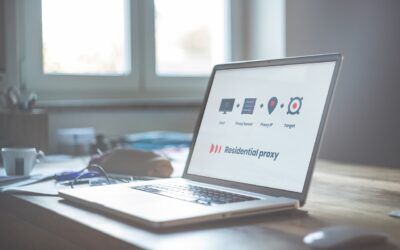

Are you concerned about your online privacy?
Rotating residential proxies are an effective way to keep your data safe and secure. They provide numerous security features, types of proxies, and access to content around the world.
In this article, we’ll discuss the role these proxies can play in safeguarding privacy.
→ Take time to read other articles by Resiprox:
–https://resiprox.com/residential-proxies-for-brave-browser/
–https://resiprox.com/residential-proxies-improve-serp-rankings/
–https://resiprox.com/residential-proxies-for-mym/
–https://resiprox.com/duckduckgo-and-residential-proxies/
– For more reading, visit our blog!
- Key Takeaways
- Benefits
- Security Features
- Types of Proxies
- Benefits of Residential IPs
- Identifying a Reliable Provider
- Accessing Content Worldwide
- How Do Rotating Residential Proxies Work?
- Rotating Residential Proxies vs VPNs: Which Is Better for Privacy?
- Latest News In 2026
- Frequently Asked Questions
- How Much Does a Rotating Residential Proxy Cost?
- How Do I Set up a Rotating Residential Proxy?
- What Other Measures for Safeguarding Privacy Should I Take When Using a Rotating Residential Proxy?
- What Should I Do if My Rotating Residential Proxy Is Blocked?
- How Frequently Should I Rotate My Residential Proxy?
- What makes rotating residential proxies different from other privacy tools?
- How can mobile proxies add to privacy strategies?
- Why does automatic IP rotation help against tracking?
- When do users combine proxies with other security steps?
- What role do locations play in proxy privacy?
- Conclusion
Key Takeaways
- Rotating residential proxies provide several benefits for safeguarding privacy, including masking IP addresses, routing internet traffic through intermediary servers, bypassing geo-restrictions, safeguarding data, and accessing local content without raising suspicion.
- Security features of rotating residential proxies include SSL/TLS encryption for data in transit, AES-256 software for data at rest, hiding IP addresses from destination servers, masking browsing activity from ISPs, and providing an extra layer of security against being blocked.
- There are different types of proxies available for privacy protection, including public proxies (freely available but slower and less reliable), private proxies (exclusive to a user or limited group, faster and more reliable), paid proxies (subscription-based with more features, better performance, and dedicated customer support), and free proxies (accessed without cost but with slower speeds, frequent downtime, and higher risk of security breaches).
- Public proxies are accessible to anyone, have slower connection speeds, and pose potential privacy risks, while private proxies are owned and managed by individuals or organizations, require authorization, offer faster connection speeds, and provide increased security. Similarly, paid proxies are more reliable and secure, with higher privacy and security levels, faster connection speeds, more IP addresses, and robust features, while free proxies have slower speeds, limited IP addresses, fewer features, and are a viable option for budget users.
Benefits
You can reap significant benefits by utilizing rotating residential proxies to protect your online privacy. By masking your IP address and routing your Internet traffic through an intermediary server, you can avoid leaving digital footprints, bypass geo-restrictions, and safeguard your data from malicious actors.
Rotating residential proxies also allow you to access multiple IP addresses from a single provider, enabling you to access local content from different countries without raising suspicion. Moreover, they’re highly scalable, providing greater flexibility and allowing you to adjust your proxy usage according to your specific needs.
Security Features
In addition to the benefits discussed above, rotating residential proxies offer advanced security features that can help you protect your data even further:
- Encryption:
- SSL/TLS encryption to protect data in transit
- AES-256 software to protect data at rest
- Anonymization:
- Hide your IP address from the destination server
- Mask your browsing activity from your ISP
These security features ensure that your data is encrypted and your identity is properly anonymized, giving you greater control over your online safety and privacy.
Furthermore, having access to rotating proxies offers an extra layer of security against being blocked, as you can easily switch between multiple IPs. With the right provider, you can rest assured that your data is safe and secure.
Types of Proxies
When it comes to utilizing proxies for privacy protection, there are two types to consider: public and private.
Public proxies are freely available to anyone and can be accessed without any authentication. They are usually slower and less reliable compared to private proxies. Public proxies are commonly used for simple tasks such as browsing the web anonymously.
On the other hand, private proxies are exclusive to the user or a limited group of users. They require authentication, which provides an extra layer of security. Private proxies are generally faster and more reliable, making them suitable for more complex tasks such as web scraping or accessing restricted content.
In terms of accessing proxies, there are two methods: paid and free.
Paid proxies involve subscribing to a proxy service provider and paying a fee for using their proxies. These services often offer more features, better performance, and dedicated customer support. Paid proxies are recommended for users who require reliable and high-speed connections, as well as additional privacy features.
Free proxies, as the name suggests, can be accessed without any cost. However, they typically come with limitations such as slower speeds, frequent downtime, and a higher risk of security breaches. Free proxies are suitable for casual users who have basic privacy needs and are willing to compromise on performance.
Deciding which option is best for you requires an understanding of the differences between each type and method. It ultimately depends on your specific privacy requirements, budget, and the level of performance you need for your intended use of the proxies.
Public Vs. Private
We can distinguish between public and private proxies when looking at rotating residential proxies and their role in safeguarding privacy.
Public proxies are those that anyone can access on the internet. They are free to access but generally have slower connection speeds. Additionally, public proxies may potentially be unsecured, posing a risk to privacy.
On the other hand, private proxies are owned and managed by an individual or organization. They require authorization to access, providing an increased level of security. Private proxies also offer faster connection speeds, allowing for a more efficient browsing experience.
Paid Vs. Free
Building on the discussion of public and private proxies, another important factor to consider when looking at rotating residential proxies is whether they are paid or free. Paid proxies are generally more reliable and secure than free ones, as they offer the highest level of privacy and security. They also tend to have faster connection speeds, more IP addresses, and more robust features. Free proxies, on the other hand, may be slow, have limited IP addresses, and offer fewer features. Although they are a viable option for those on a tight budget, free proxies may not be as reliable or secure as paid proxies.
| Paid Proxies | Free Proxies |
| Reliable | Potentially slow |
| Secure | Limited IP addresses |
| Fast speeds | Fewer features |
| Robust features | Viable option for budget users |
Benefits of Residential IPs
You can benefit from rotating residential proxies when it comes to protecting your privacy. Residential IPs offer a number of advantages over other types of proxies:
- Security:
- They’re very secure since they aren’t shared by anyone else.
- They aren’t vulnerable to malicious activities.
- Anonymity:
- They’re difficult to trace and block.
- They provide a layer of protection against hackers and other malicious actors.
Residential IPs are also highly reliable and have a low latency, making them suitable for a wide range of applications. Additionally, they’re easy to configure and provide a high level of anonymity, making them ideal for those who value their privacy.
With these advantages, residential IPs are becoming increasingly popular among individuals and organizations alike.
Identifying a Reliable Provider
When searching for a reliable proxy provider, you need to ensure that they offer rotating residential proxies.
| Essential Features | Checklist |
| Rotating proxies | ✓ |
| Quality customer support | ✓ |
| Refund policies | ✓ |
| High-speed connection | ✓ |
| IP address anonymity | ✓ |
To find a good proxy provider, look for features such as rotating proxies, quality customer support, refund policies, high-speed connection, and IP address anonymity. Make sure to review their terms of service and privacy policies too. Research online reviews from other users and ask questions if you have any. To make sure you’re getting the best service, only work with a provider that has excellent ratings and reviews.
Accessing Content Worldwide
By using rotating residential proxies, you can access content from anywhere in the world without compromising your privacy:
- Control:
- Change your IP address as often as you need
- Keep your data secure and anonymous
- Convenience:
- Bypass geo-restricted content
- Access streaming services from different regions
Rotating residential proxies provide an added layer of security and privacy when accessing content from around the world. You can easily change your IP address so that you always remain anonymous and secure. Furthermore, you can bypass geo-restricted content and access streaming services from different regions. Rotating residential proxies offer a reliable and convenient way to access content from any location.
How Do Rotating Residential Proxies Work?
Rotating residential proxies route your internet connection through real home addresses that switch at set intervals. A user device first sends a request to the proxy server. The server then forwards that request from one of many available residential IP addresses. Once the response comes back the proxy passes it along to the original device. This proxy setup hides the true IP address from every website visited. Automatic rotation happens every few minutes or on each new request so no single address stays active long enough to build a clear profile. Providers manage large pools of these addresses from actual devices around the world.
Rotating residential proxies shine when steady and varied connections matter most. They blend into normal traffic patterns because the IPs come from genuine internet service providers rather than data centers. To get the most out of this setup, it’s important to choose the right infrastructure based on your use case. Exploring the best rotating residential proxies can help ensure strong IP diversity and success rates, while comparing the best rotating residential proxy providers gives insight into platforms with reliable global pools. For users who need a balance between speed and stability, the best rotating ISP proxies offer a hybrid solution, and understanding the differences in rotating vs static residential proxies can help refine your strategy based on session consistency and rotation needs.
Rotating Residential Proxies vs VPNs: Which Is Better for Privacy?
Both tools hide your real location yet they handle traffic in different ways. A VPN encrypts every bit of data and sends it through one fixed server. Rotating residential proxies focus on changing the exit point often while still letting you pick the level of encryption you need. VPNs work great for full device protection during everyday browsing. Rotating residential proxies give more control when you need fresh IPs for specific tasks that demand quick switches. The two can work together for extra layers when privacy needs run high. Rotating residential proxies stand out for users who want targeted anonymity without routing all traffic through a single point. Many choose them alongside mobile proxies in situations that call for carrier-grade connections from real smartphones.
Latest News In 2026
Proxy technology keeps advancing at a fast pace this year. Fresh articles on the ResiProx blog show how rotating residential proxies support smooth performance on Windows systems for daily tasks. Writers also cover ways to keep multiple accounts active on platforms like Tumblr and Quora without drawing attention. New posts explore stable connections for creative communities and knowledge-sharing sites. Trends point toward tighter integration between residential and mobile options as users seek even more authentic traffic sources.
Frequently Asked Questions
How Much Does a Rotating Residential Proxy Cost?
The cost of a rotating residential proxy depends on the proxy provider and the features you choose. Prices range from a few dollars per month to hundreds.
How Do I Set up a Rotating Residential Proxy?
Setting up a rotating residential proxy requires selecting a reliable provider, configuring your network connection to use the proxy, and ensuring that the proxy rotates IPs regularly.
What Other Measures for Safeguarding Privacy Should I Take When Using a Rotating Residential Proxy?
You should always use a secure connection and encrypt your data when using a rotating residential proxy. Additionally, use an up-to-date antivirus program to protect against malicious software. Finally, be aware of your online activities and the potential risks they may pose.
What Should I Do if My Rotating Residential Proxy Is Blocked?
If your rotating residential proxy is blocked, try switching to a different server or proxy provider. If that doesn’t work, consider using a VPN for additional protection.
How Frequently Should I Rotate My Residential Proxy?
It depends on your needs. Rotate your residential proxy regularly to ensure your privacy is protected. Try different intervals to find the best one for you.
What makes rotating residential proxies different from other privacy tools?
Rotating residential proxies stand out because they draw IP addresses from genuine home internet connections provided by local ISPs instead of server farms making every connection appear as everyday user activity from real devices scattered across neighborhoods while the automatic switching adds another layer since each request or session pulls a fresh address without any manual steps and many people turn to residential proxies in situations that involve repeated logins or data pulls where steady patterns could trigger alerts so unlike fixed setups these keep traffic fluid and harder to flag through behavioral analysis alone.
How can mobile proxies add to privacy strategies?
Mobile proxies bring carrier network IPs into the mix which come from actual smartphones on cellular data and they blend even better with regular mobile traffic patterns that websites see every day from apps and browsers while pairing them with other tools creates varied exit points that shift between home Wi-Fi and cell towers for extra unpredictability and users often reach for mobile proxies when tasks need the kind of authenticity that desktop connections alone cannot deliver so the combination helps maintain clean sessions across different networks without leaving obvious digital trails.
Why does automatic IP rotation help against tracking?
Automatic rotation breaks long-term observation by refreshing the visible address at regular intervals or per request so sites that build profiles based on repeated visits from one spot lose the thread when the address changes without warning which keeps activity looking like separate short visits from different people rather than one persistent user and the process works quietly in the background so browsing or scraping flows stay smooth with rotating residential proxies relying on this constant shuffle to stay ahead of advanced fingerprinting methods that go beyond simple IP checks.
When do users combine proxies with other security steps?
Users layer proxies during work that touches multiple accounts or crosses borders where single-point protection falls short while adding encryption on top or running scans keeps the data safe even as IPs keep turning over and the setup fits well for anyone handling sensitive flows that need both anonymity and extra verification with many choosing this approach in high-volume scenarios that stretch across days or regions so it creates a balanced defense where the proxies handle the address side while other measures cover the content.
What role do locations play in proxy privacy?
Proxy locations let traffic exit from specific cities or countries so it matches the patterns of people who actually live there and this geo-matching reduces flags that pop up when connections jump between mismatched regions while access to broad proxy locations helps every request feel native and expected by local services with the variety supporting privacy in tasks tied to region-specific content or rules without drawing extra attention and users value the option to pick precise spots that align with their needs for natural looking activity.
Conclusion
Safeguarding privacy online is essential in today’s digital world. Rotating residential proxies provide the perfect solution. They offer a variety of security features, allowing you to access content from around the world without worrying about data leaks.
When selecting a provider, make sure to look for one that’s reliable and trusted. With the right residential IPs, you can rest assured that your privacy is safe and secure.